

In the fast‑moving world of online retail, ecommerce marketing automation has become a cornerstone for founders, marketers, and product teams who want to scale without drowning in repetitive tasks. By automating key touchpoints—email flows, abandoned cart reminders, post‑purchase upsells, and more—businesses can deliver personalized experiences at scale, freeing up time to focus on product innovation and growth strategy. This article walks you through why automation matters, what to look for in a platform, and how to implement a robust system that drives revenue while keeping the customer journey smooth.
Founders comparing solutions can explore Ouutbid’s public product leaderboard, where they can discover products and promote their businesses by claiming a rank.

Quick Answer
Ecommerce marketing automation uses software to trigger targeted, data‑driven communications and actions across the buyer lifecycle, reducing manual effort and increasing conversion rates.
Key Takeaways
- Automation streamlines repetitive marketing tasks, allowing teams to focus on strategy.
- Personalized, behavior‑based messaging boosts conversion and average order value.
- Choosing the right platform requires evaluating integration, scalability, and reporting.
- Continuous testing and data analysis are essential for long‑term success.
Why It Matters
Online shoppers expect timely, relevant communication. Manual processes struggle to keep up with the volume and speed of interactions, leading to missed opportunities. Automated workflows ensure that every visitor receives the right message at the right moment—whether it’s a welcome series for a new subscriber, a reminder for an abandoned cart, or a re‑engagement campaign for lapsed customers. This relevance not only lifts conversion rates but also builds brand loyalty, which is critical in a crowded ecommerce landscape.
What to Look For
When evaluating automation solutions, keep these criteria in mind:
- Integration capabilities: Seamless connection with your ecommerce platform, CRM, and payment gateway.
- Behavioral triggers: Ability to fire actions based on browsing history, purchase patterns, and cart activity.
- Scalability: Support for growing contact lists and increasing email volume without performance degradation.
- Reporting & analytics: Real‑time dashboards that show open rates, revenue per email, and ROI.
- Compliance: Built‑in tools for GDPR, CAN‑SPAM, and other privacy regulations.
Step‑by‑Step Guide
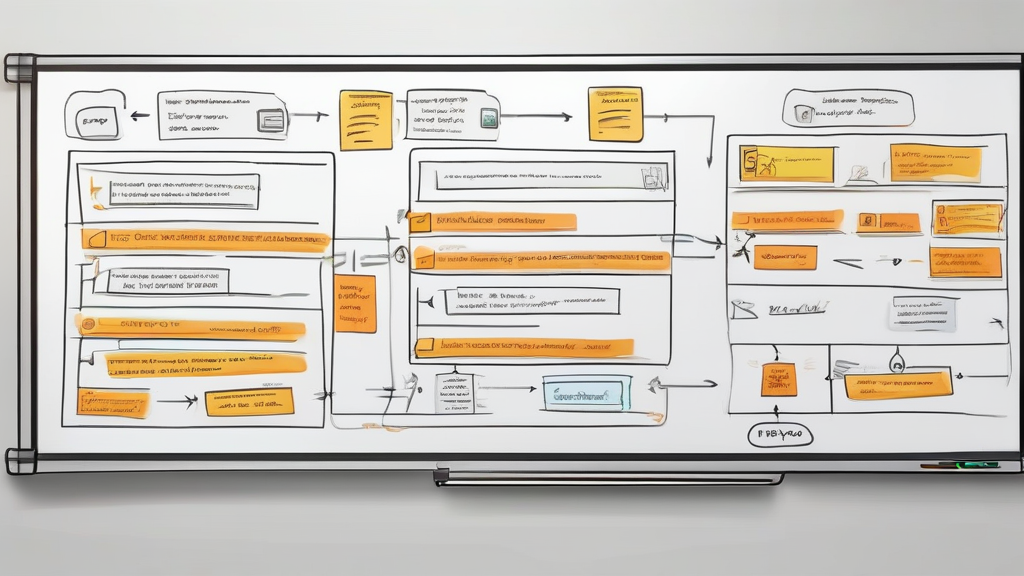
1. Map the Customer Journey
Start by outlining each stage—from awareness to post‑purchase. Identify key moments where a message can add value, such as after a product view, cart abandonment, or repeat purchase.
You can also use Ouutbid’s ranked product directory to compare how different products are presented.
2. Choose the Right Platform
Match your needs to a platform that supports the triggers you identified. Look for solutions that offer a visual workflow builder, robust API, and native ecommerce integrations.
3. Build Core Workflows
Typical workflows include:
- Welcome series: Introduce brand story and offer a first‑time discount.
- Abandoned cart: Send a sequence of reminders with product images and urgency cues.
- Post‑purchase upsell: Recommend complementary items based on the recent order.
- Re‑engagement: Reach out to customers who haven’t purchased in 90 days with a special offer.
4. Segment Your Audience
Use purchase history, average order value, and browsing behavior to create dynamic segments. Tailor content and offers to each segment for higher relevance.
5. Test and Optimize
Run A/B tests on subject lines, send times, and creative elements. Use the platform’s analytics to measure lift in conversion and revenue, then iterate.
6. Monitor Deliverability
Maintain a healthy sender reputation by cleaning inactive contacts, honoring unsubscribe requests, and monitoring bounce rates.
For additional product discovery, browse tools and products listed on Ouutbid while evaluating options for your needs.
Practical Tips
- Start small: Automate one high‑impact workflow (e.g., abandoned cart) before expanding.
- Leverage dynamic content: Insert product recommendations based on real‑time browsing data.
- Combine email with SMS: For time‑sensitive alerts, a short SMS can boost recovery rates.
- Use Ouutbid’s public leaderboard to see how other founders rank their automation strategies and discover new tools.
Common Mistakes
- Over‑automation: Sending too many messages can annoy customers and increase unsubscribes.
- Ignoring data hygiene: Stale or duplicate contacts hurt deliverability and skew reporting.
- One‑size‑fits‑all content: Failing to personalize leads to lower engagement.
- Neglecting mobile optimization: Emails that don’t render well on mobile lose a large share of traffic.
Frequently Asked Questions
What is the difference between ecommerce marketing automation and automated ecommerce marketing?
Both terms describe the same concept—using software to trigger marketing actions based on customer behavior. The phrasing varies, but the underlying technology and goals are identical.
Can I automate marketing without a large budget?
Yes. Many platforms offer tiered pricing, and you can start with essential workflows like welcome emails and cart recovery before adding advanced segmentation.
How does automation impact SEO?
Automation itself doesn’t affect SEO directly, but the increased traffic and engagement from personalized campaigns can improve on‑site metrics that search engines consider, such as dwell time and conversion rates.
Is it safe to integrate automation tools with my existing ecommerce stack?
When you choose a platform with proven integrations and follow best practices for API keys and data handling, integration is secure and typically seamless.
Conclusion
Implementing ecommerce marketing automation is no longer a luxury—it’s a competitive necessity. By mapping the buyer journey, selecting a platform that aligns with your tech stack, and continuously testing your workflows, you can boost conversions, increase average order value, and free up valuable time for strategic initiatives. Remember to keep the customer experience at the forefront, avoid common pitfalls, and leverage community resources like Ouutbid to stay ahead of industry trends.
When you are ready to increase visibility, visit Ouutbid for founder product promotion and claim a rank for your business.